
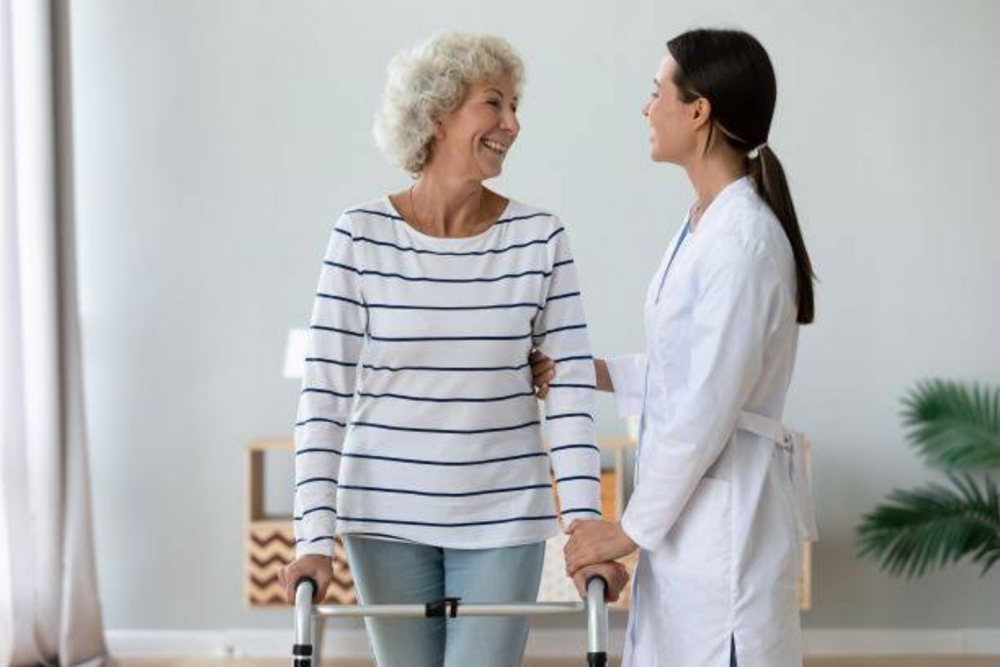
Knee replacement surgery can improve mobility and reduce the limitations caused by severe joint damage, but surgery is only one part of the process. Rehabilitation plays an important role in helping a person become comfortable and capable during everyday movement again. While exercises for strength and flexibility receive considerable attention, balance training is another valuable part of recovery.
Balance involves more than simply standing without falling. It depends on coordination between muscles, joints, vision, the inner ear, and the nervous system. Following knee replacement, these systems may need time and practice to work efficiently together during daily activities.
Surgery Changes More Than the Knee Joint
Before surgery, people with chronic knee problems often adjust how they move to avoid discomfort. They may place more weight on the opposite leg, shorten their stride, avoid certain movements, or rely heavily on furniture and handrails. Over time, these compensations can become familiar movement habits.
A successful knee replacement addresses the damaged joint, but old movement patterns may not disappear immediately. Balance exercises can help patients gradually become comfortable distributing their weight more evenly and using the operated leg during functional activities.
Rebuilding Awareness of Joint Position
The body has an internal ability to recognize where a joint is positioned without having to look at it. This sense, commonly called proprioception, contributes to balance and coordinated movement.
Joint disease, reduced activity, surgery, swelling, and muscle weakness can affect how confidently a person responds to changes in position. Rehabilitation may therefore include controlled activities that challenge joint awareness. Simple exercises can progress from standing with stable support to shifting weight, changing direction, or maintaining control under more demanding conditions.
The goal is not to create difficult challenges too early. Instead, balance activities should develop gradually as healing, strength, and confidence improve.
Preparing for Real World Surfaces
Walking inside a rehabilitation facility is different from moving through everyday environments. At home or in the community, people encounter rugs, curbs, grass, ramps, crowded areas, uneven sidewalks, and changing floor surfaces.
Balance training helps prepare the body for these less predictable situations. Rehabilitation exercises may eventually incorporate controlled changes in surface, direction, or movement speed. These activities can teach patients to make small adjustments when their surroundings change rather than relying exclusively on straightforward walking practice.
Supporting Safer Direction Changes
Daily movement rarely happens in a perfectly straight line. People turn around kitchen counters, step sideways around furniture, change direction in stores, and pivot when entering or leaving rooms.
These movements require coordination between the hips, knees, ankles, and trunk. Balance training can gradually introduce multidirectional movements, so patients develop better control when turning or repositioning themselves.
A knee replacement surgeon and rehabilitation professionals can provide guidance regarding recovery expectations and appropriate activity progression based on the individual patient’s condition. Following professional instructions is especially important because recovery speed and physical abilities vary considerably between patients.
Helping the Operated Leg Accept Weight Again
Months or years of knee discomfort can lead people to favor one leg. Even after surgery, the habit of relying on the stronger side may remain.
Controlled weight shifting exercises encourage gradual use of the operated leg. As strength and stability improve, rehabilitation can progress toward activities involving more independent control of each leg. Developing symmetrical movement may help make standing, walking, and other everyday tasks feel more natural.
Building Confidence Through Functional Movement
Physical recovery also involves becoming comfortable with movement again. Someone who has experienced knee instability or pain for years may remain cautious even after the damaged joint has been replaced.
Balance exercises provide opportunities to practice movement in a structured environment. Small achievements, such as standing confidently, navigating a turn, or stepping over a low obstacle, can demonstrate measurable functional progress.
Creating a More Complete Recovery
Knee replacement rehabilitation is not solely about bending the knee or strengthening surrounding muscles. Patients ultimately need to coordinate their entire body while performing normal activities.
Balance training complements mobility, strength, endurance, and flexibility exercises by focusing on controlled movement. When appropriately incorporated into an individualized rehabilitation program, it can help patients prepare for the varied physical demands of everyday life and move toward greater independence after knee replacement surgery.